Zambia's musical landscape is a vibrant tapestry woven from its rich cultural heritage and dynamic contemporary influences. Spanning traditional rhythms to modern genres, Zambian music reflects the nation's history, diversity, and evolving identity.
🎵 Traditional Music: The Cultural Bedrock
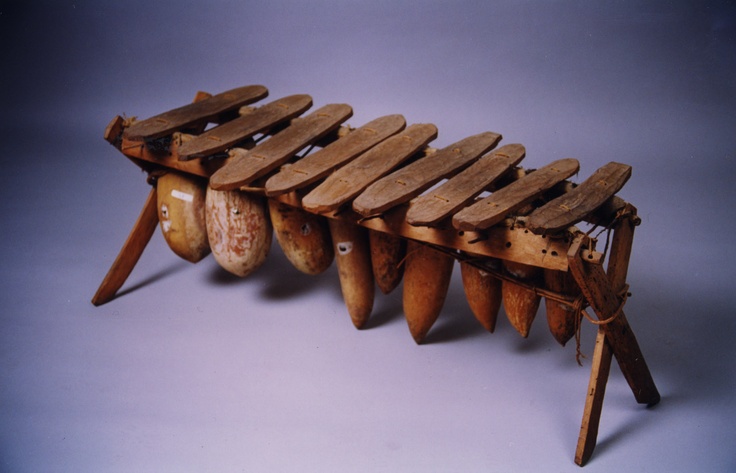
Traditional Zambian music is deeply rooted in the country's diverse ethnic groups, each contributing unique sounds and instruments. Music plays a pivotal role in ceremonies, storytelling, and community bonding. Instruments like the ngomadrums, silimba xylophones, and kankobela thumb pianos are integral to these traditions .(Wikipedia)
These musical forms are not merely entertainment; they are vehicles for preserving history, imparting moral lessons, and reinforcing social norms. For instance, initiation ceremonies often feature specific songs and dances that educate participants about their roles in society .(Zambian Immigration Services Team)
🎸 Kalindula: The Neo-Traditional Fusion
Emerging in the mid-20th century, Kalindula is a genre that blends traditional Zambian music with modern instruments like electric guitars and bass. Originating from the Luapula Province, it evolved from local dances and has become a staple in Zambian popular music .(Wikipedia)
Bands such as Amayenge have been instrumental in popularizing Kalindula, earning international recognition and inspiring new generations of musicians .(Wikipedia)
🎸 Zamrock: Psychedelic Sounds of the '70s
In the 1970s, Zambia witnessed the birth of Zamrock, a genre that fused psychedelic rock with traditional African rhythms. Bands like WITCH (We Intend To Cause Havoc) and Musi-O-Tunya led this movement, creating a unique sound that resonated with the youth of the time .(AMAKA Studio)
Though its popularity waned due to economic challenges, Zamrock has experienced a revival in recent years, with renewed interest both domestically and internationally .(Wikipedia)
🎤 Contemporary Scene: A Blend of Local and Global
Modern Zambian music is characterized by its diversity, encompassing genres like hip-hop, R&B, and Afrobeat, often infused with local languages and themes. Artists such as Sampa the Great have gained international acclaim, blending Zambian musical elements with global sounds .(Teen Vogue)
The rise of digital platforms has further propelled Zambian music onto the global stage, allowing artists to reach wider audiences and collaborate across borders.
🎶 Conclusion
Zambian music is a dynamic reflection of the nation's rich cultural mosaic. From traditional melodies to contemporary beats, it continues to evolve, preserving its heritage while embracing new influences. As Zambian artists gain international recognition, the country's music scene stands as a testament to its creativity and resilience.(Zambian Immigration Services Team)
